
Julian Nagelsmann didn't wait for the domestic season to finish before making his point. When the latest squad for the Nations League finals dropped, three names stood out—and two of them had never worn the senior Germany shirt. The omission of Leon Goretzka, a fixture in midfield for nearly a decade, felt less like a rotation and more like a statement. Nagelsmann is done managing egos. He wants legs, hunger, and players who press like their contract depends on it. Goretzka's exclusion, confirmed at a press conference in Frankfurt。drew the loudest questions. Nagelsmann's answer was clipped: “We need clarity in roles, not reputations” That single line tells you everything about the direction of this German national team.The new faces?
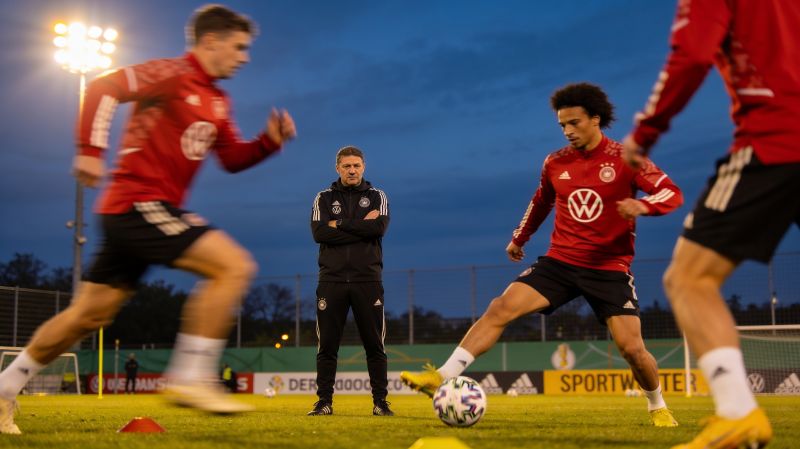
Maximilian Beier, the Hoffenheim striker who scored 16 Bundesliga goals, and Aleksandar Pavlović, Bayern's 20-year-old midfield anchor. Beier's call-up isn't a token gesture. Germany's attack has lacked a genuine penalty-box threat since Miroslav Klose retired, and Niclas Füllkrug—while effective—is 31. Beier offers something different: sharp movement between the lines, a low center of gravity。and the kind of finishing instinct you can't coach. Pavlović, meanwhile, has been quietly excellent for Bayern in big matches. His range of passing under pressure is why Nagelsmann reportedly pushed hard for his inclusion. I watched Pavlović against Arsenal in the Champions League quarterfinal—he completed 94% of his passes and never looked rattled. That's the profile Germany has missed in central midfield.Latest news from the German national team also includes a shift in the goalkeeping hierarchy. Manuel Neuer's return from injury was expected to settle the debate, but Nagelsmann has confirmed that Marc-André ter Stegen will start the Nations League semifinal against Portugal. Neuer, 38, took the news without public complaint。but the subtext is clear: the torch is being passed, quietly but deliberately. Ter Stegen has waited a decade for this. His distribution under pressure remains elite, and his command of the box has improved with age. What's more interesting is the third goalkeeper—Oliver Baumann, not Kevin Trapp. Baumann's consistency for Hoffenheim earned him the nod. Nagelsmann values reliability over reputation, and that pattern is impossible to ignore.Defensively, the squad raises eyebrows. Antonio Rüdiger is suspended for the semifinal after his yellow card against the Netherlands in March. That means either Robin Koch or Waldemar Anton slots in alongside Jonathan Tah. Neither is a like-for-like replacement for Rüdiger's aggression. Koch reads the game well but lacks recovery pace. Anton is more physical but prone to rash challenges. Nagelsmann might switch to a back three to compensate—a system he used effectively against France last September. Joshua Kimmich's role remains fluid: right-back, midfield, or even a inverted full-back role depending on the opponent. Kimmich told reporters this week that he prefers midfield but will play wherever needed. “I've stopped counting my positions” he said with a half-smile. That flexibility is both a blessing and a tactical puzzle.The mood around the camp in Herzogenaurach is described by staff as “focused but loose” Nagelsmann has shortened training sessions and added more video analysis—players reportedly spend 40 minutes daily reviewing clipped sequences of Portugal's buildup play. Cristiano Ronaldo remains Portugal's focal point, but the real threat is Bruno Fernandes arriving late in the box. Germany's midfield must track those runs. Nagelsmann knows it. His squad selection—younger, faster, less sentimental—suggests he's building for more than just this tournament. The latest news from the German national team isn't about one match. It's about a coach drawing a line in the sand。and a group of players who now know exactly where they stand.